

How Many Hours Is Too Many for a Used Outboard Motor? Complete Buyer’s Guide
When shopping for a used outboard motor , one of the first questions buyers ask is: “How many hours is too many?” It’s a reasonable concern because engine hours are often compared to mileage on a car. However, the answer isn’t as simple as looking at a number on a display.
A used outboard motor with 1,200 hours may be a fantastic purchase, while another with only 300 hours could become a costly headache. The key is understanding what engine hours actually mean and how they relate to maintenance, usage, and overall engine condition.
In this guide, we’ll explain how many hours are considered high for a used outboard motor, what factors matter more than hours alone, and how to determine whether an engine is worth buying.
Understanding Outboard Motor Hours
Engine hours measure how long an outboard motor has been running.
Modern outboard motors often include electronic systems that track operating hours automatically. These records provide valuable insight into how much the engine has been used throughout its lifetime.
Think of engine hours as the marine equivalent of vehicle mileage.
However, unlike cars, boats operate under very different conditions. Some engines spend hours idling while others spend most of their life at high RPMs.
This means engine hours alone do not tell the complete story.
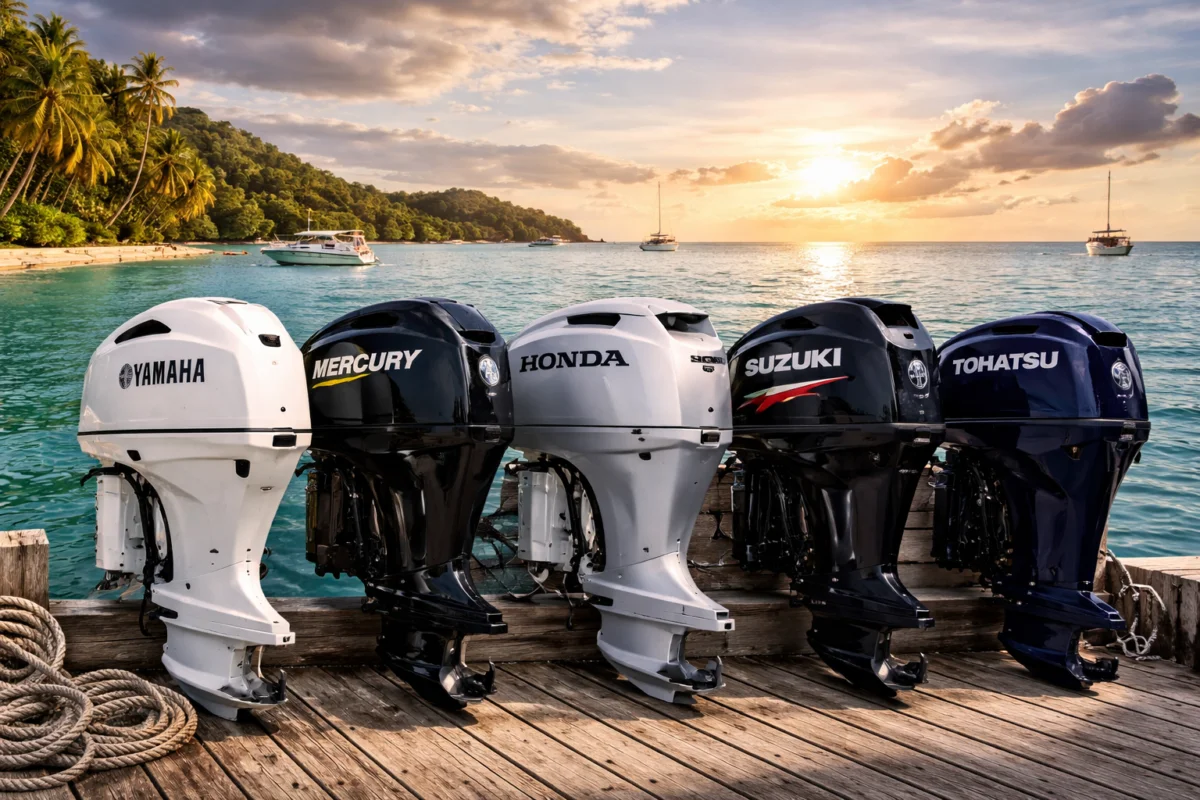
What Is Considered Low Hours for a Used Outboard Motor?
Generally speaking:
- Under 300 hours = Low usage
- 300–700 hours = Moderate usage
- 700–1,200 hours = High usage
- 1,200–2,000 hours = Heavy usage
- 2,000+ hours = Very heavy usage
An outboard motor with fewer than 300 hours is often considered lightly used.
Many recreational boat owners only use their boats during weekends or seasonal vacations, which can result in relatively low annual operating hours.
Low-hour motors are often attractive to buyers because they typically have less wear and tear.
However, low hours do not automatically mean the engine is in excellent condition.
Can Low-Hour Outboard Motors Have Problems?
Yes.
In fact, engines that sit unused for long periods can develop significant issues.
Common problems associated with low-use engines include:
- Fuel system contamination
- Stale fuel deposits
- Corroded internal components
- Dry seals and gaskets
- Battery issues
A ten-year-old outboard motor with only 150 hours may sound appealing, but if it spent most of those years sitting in storage without proper maintenance, it may require expensive repairs.
IMAGE PLACEMENT #2
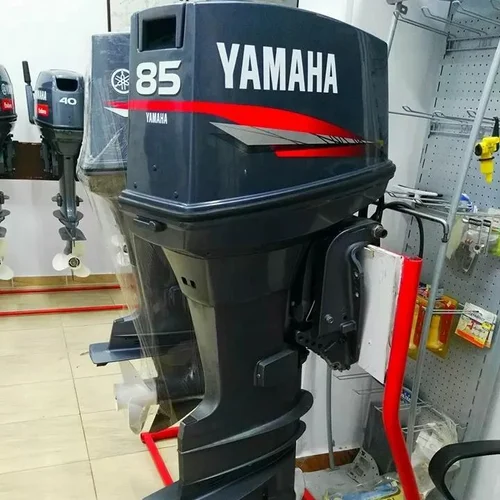
What Is Considered High Hours for an Outboard Motor?
Many buyers become nervous when they see an engine with over 1,000 hours.
However, modern outboard motors are designed to last much longer than many people realize.
Well-maintained engines from major manufacturers can often operate reliably for:
- 1,500 hours
- 2,000 hours
- 3,000 hours or more
Commercial operators frequently use outboard motors that exceed 3,000 hours while continuing to perform effectively.
The most important factor is not necessarily how many hours the engine has accumulated, but how well it has been maintained.
How Long Do Modern Outboard Motors Last?
Today’s outboard motors are more durable than ever.
With proper maintenance, many engines can remain dependable for decades.
Average lifespan estimates include:
Small Outboard Motors
- 1,000 to 2,000 hours
Mid-Range Outboard Motors
- 1,500 to 3,000 hours
Large Four-Stroke Outboards
- 2,000 to 4,000+ hours
Many boat owners replace engines due to technological upgrades rather than mechanical failure.
Hours by Popular Outboard Motor Brands
Certain manufacturers have built strong reputations for longevity.
Yamaha Outboard Motors
Yamaha engines are widely known for durability and often exceed 2,000 hours when properly maintained.
Mercury Outboard Motors
Mercury outboards offer excellent reliability and are commonly found in commercial and recreational applications.
Honda Outboard Motors
Honda engines are respected for their longevity, fuel efficiency, and smooth operation.
Suzuki Outboard Motors
Suzuki outboards are increasingly popular due to their dependable performance and fuel economy.
Tohatsu Outboard Motors
Tohatsu engines provide excellent value and can deliver thousands of hours of service with proper care.
Why Maintenance Matters More Than Hours
A properly maintained engine with 1,500 hours is often a safer purchase than a neglected engine with only 400 hours.
Important maintenance items include:
- Oil changes
- Fuel filter replacement
- Spark plug replacement
- Water pump servicing
- Cooling system maintenance
- Lower unit oil changes
Ask sellers for maintenance records whenever possible.
Service documentation can provide valuable insight into how the motor was cared for throughout its life.
Recreational vs Commercial Use
Not all engine hours are equal.
Recreational Use
Most recreational boaters use their engines:
- Weekends
- Holidays
- Seasonal trips
This often results in lower annual hours.
Commercial Use
Commercial operators may run engines:
- Daily
- For extended periods
- Under demanding conditions
Interestingly, commercial engines sometimes receive better maintenance because downtime directly impacts business operations.
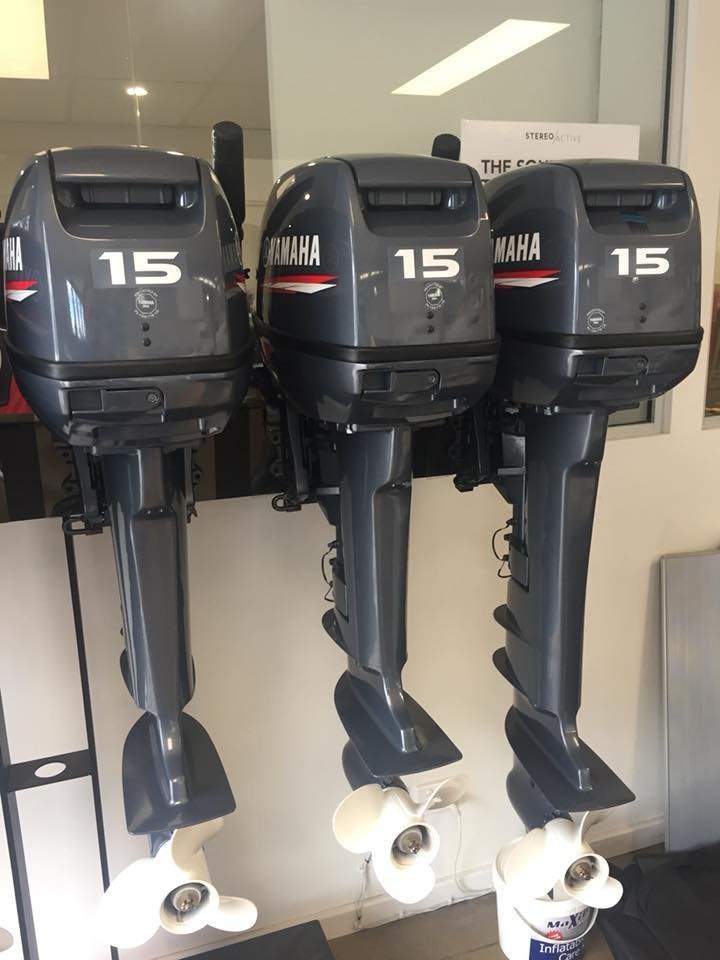
Signs a High-Hour Motor Is Still Worth Buying
A high-hour engine may still be an excellent purchase if it shows:
Strong Compression
Compression readings should be consistent across all cylinders.
Clean Oil
Engine oil should appear clean and free from contamination.
Service Records
Documented maintenance is always a positive sign.
Minimal Corrosion
Limited corrosion indicates proper care.
Smooth Operation
The engine should:
- Start easily
- Idle smoothly
- Accelerate cleanly
These signs often matter more than the hour count itself.
Signs a Low-Hour Motor Should Be Avoided
Even low-hour motors can have serious issues.
Warning signs include:
- Severe corrosion
- Milky oil
- Poor compression
- Fuel system contamination
- Hard starting
- Missing service records
A low-hour engine with multiple warning signs can become a costly repair project.
Essential Inspection Checklist
Before purchasing any used outboard motor:
Check Engine Hours
Verify operating hours through the engine’s electronic system.
Perform a Compression Test
Compression testing helps identify internal engine wear.
Inspect the Lower Unit
Look for:
- Cracks
- Leaks
- Corrosion
Examine Engine Oil
Watch for:
- Water contamination
- Metal particles
- Burnt smell
Review Maintenance Records
Ask for documentation showing routine servicing.
Run the Engine
Observe:
- Starting performance
- Idle quality
- Cooling system operation
Should You Avoid Motors With Over 1,000 Hours?
Not necessarily.
Many buyers automatically reject engines with more than 1,000 hours, but this can be a mistake.
An engine with:
- Excellent compression
- Clean oil
- Complete maintenance records
- Proper operation
may provide years of additional service.
In many cases, condition matters more than the hour meter.
Final Verdict
So, how many hours is too many for a used outboard motor?
There is no universal number.
While engine hours provide useful information, they should never be the only factor considered when evaluating a used outboard motor.
A well-maintained engine with 1,500 hours may be a far better investment than a neglected engine with only 300 hours. By focusing on maintenance history, compression results, corrosion levels, and overall condition, buyers can make smarter purchasing decisions and avoid costly mistakes.
When evaluating any used outboard motor, remember that proper care often matters far more than the number displayed on the hour meter. bing
Frequently Asked Questions
How many hours is considered high on a used outboard motor?
Generally, anything over 1,000 hours is considered high, although well-maintained engines can often operate reliably far beyond this point.
Is a 1,500-hour outboard motor worth buying?
Yes, provided the engine has good compression, proper maintenance records, and no major mechanical issues.
How long do Yamaha outboard motors last?
Many Yamaha outboard motors can exceed 2,000 to 3,000 hours when properly maintained.
Do engine hours matter more than maintenance?
No. Maintenance history is usually more important than total operating hours.
What is more important than engine hours?
Compression results, oil condition, corrosion levels, service records, and overall engine performance.
Can a low-hour outboard motor still be a bad purchase?
Yes. Engines that sit unused for long periods can develop fuel, corrosion, and seal-related issues.
Should I buy a used outboard motor with 2,000 hours?
It depends on condition. A professionally maintained 2,000-hour engine may still have significant life remaining.
How can I verify engine hours?
Most modern outboard motors store operating hours electronically and can be checked using diagnostic tools.