

Common Problems With Used Outboard Motors and How to Avoid Them
Buying a used outboard motor can be an excellent way to save money while still enjoying reliable performance on the water. Whether you’re upgrading your current boat, replacing an aging engine, or purchasing your first outboard motor, the used market offers countless opportunities to find quality engines at significantly lower prices than new models.
However, not every used outboard motor is a good investment. Some engines may appear to be in excellent condition while hiding costly mechanical problems that can quickly turn a bargain into an expensive mistake. Understanding the most common problems found in used outboard motors can help you make a smarter purchasing decision and avoid unexpected repair bills.
In this guide, we’ll explore the most frequent issues found in used outboard motors, explain why they occur, and provide practical tips for avoiding them when shopping for a pre-owned engine.
Why Used Outboard Motors Develop Problems
Outboard motors operate in one of the harshest environments possible. They are constantly exposed to water, moisture, salt, vibration, heat, and heavy workloads.
Over time, these conditions can lead to:
- Corrosion
- Engine wear
- Electrical failures
- Fuel system issues
- Cooling system problems
- Lower unit damage
Proper maintenance can dramatically reduce these risks, but many used motors have unknown service histories, making careful inspection essential. google
IMAGE PLACEMENT #1
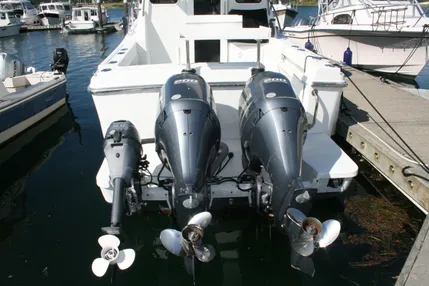
1. Corrosion Damage
Corrosion is one of the most common issues affecting used outboard motors, particularly engines used in saltwater environments.
Saltwater accelerates the deterioration of metal components and can damage:
- Mounting brackets
- Lower units
- Electrical connectors
- Cooling passages
- Fasteners
Warning Signs
Look for:
- White oxidation
- Rust spots
- Flaking paint
- Pitted metal surfaces
How to Avoid It
Before purchasing:
- Inspect all metal components closely.
- Ask whether the motor was used in saltwater.
- Verify regular freshwater flushing after use.
- Review maintenance records when available.
Minor corrosion is normal, but severe corrosion may indicate years of neglect.
2. Water Contamination in Engine Oil
Water intrusion can cause serious internal engine damage.
This problem often results from:
- Failed seals
- Cracked engine components
- Cooling system leaks
Warning Signs
Check the engine oil for:
- Milky appearance
- Gray coloration
- Foam-like texture
These symptoms often indicate water contamination.
How to Avoid It
Always inspect engine oil before buying.
If possible:
- Remove the dipstick
- Check oil consistency
- Request a recent service history
Walk away from engines showing obvious signs of water contamination unless professionally repaired.
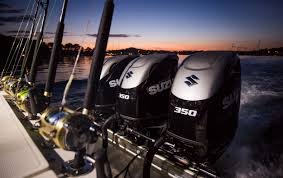
3. Lower Unit Damage
The lower unit transfers engine power to the propeller and contains expensive gears and bearings.
Impacts with rocks, sandbars, or submerged objects can cause significant damage.
Warning Signs
Inspect for:
- Cracks
- Weld repairs
- Oil leaks
- Excessive propeller shaft movement
How to Avoid It
Ask:
- Has the motor ever struck underwater objects?
- Has the lower unit been repaired?
Inspect the gear oil for:
- Metal particles
- Water contamination
- Burnt smell
Lower unit repairs can be among the most expensive outboard motor repairs. bing
4. Compression Problems
Engine compression is critical for performance and reliability.
Low compression often indicates:
- Worn piston rings
- Damaged cylinders
- Internal engine wear
Warning Signs
Symptoms include:
- Hard starting
- Reduced power
- Rough idle
- Poor fuel efficiency
How to Avoid It
Request a compression test.
Healthy engines typically show:
- Consistent compression across all cylinders
- Minimal variation between readings
A compression test is one of the most valuable inspections you can perform before buying.
5. Fuel System Issues
Fuel-related problems are extremely common in used outboard motors.
Old fuel can cause:
- Clogged injectors
- Blocked carburetors
- Fuel line deterioration
- Poor engine performance
Warning Signs
Watch for:
- Rough idling
- Hesitation during acceleration
- Difficult starting
- Fuel leaks
How to Avoid It
Inspect:
- Fuel lines
- Fuel filters
- Fuel tanks
Ask how long the engine has been sitting unused.
Engines left unused for extended periods often develop fuel system issues.
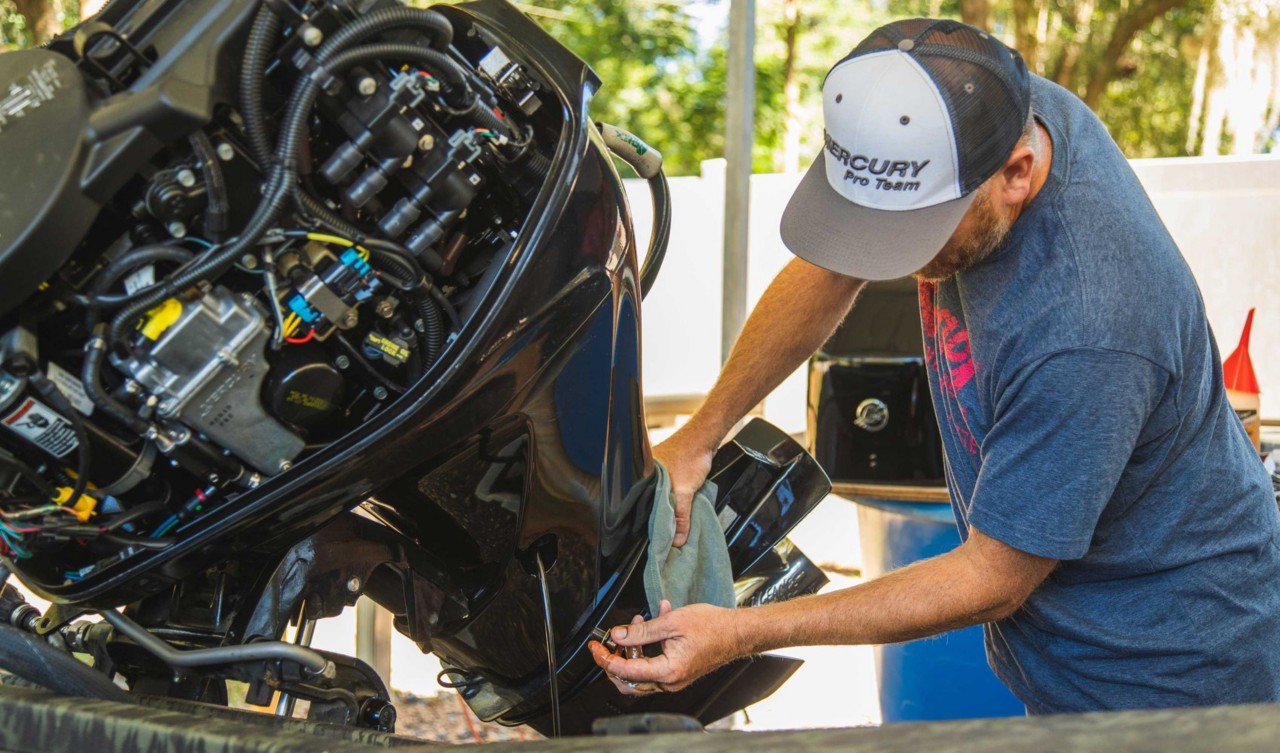
6. Electrical Problems
Modern outboard motors depend heavily on electronic systems.
Electrical failures can affect:
- Starting systems
- Charging systems
- Ignition components
- Sensors
Warning Signs
Look for:
- Corroded wiring
- Damaged connectors
- Improper repairs
- Electrical tape patches
How to Avoid It
Inspect all visible wiring.
Ask:
- Has any electrical work been performed?
- Have components been replaced recently?
Professional repairs should appear clean and organized.
7. Cooling System Failures
Outboard motors rely on water circulation to remain cool.
A faulty cooling system can quickly destroy an engine.
Common Causes
- Failed water pumps
- Blocked passages
- Worn impellers
Warning Signs
Look for:
- Weak tell-tale water stream
- Overheating alarms
- Discolored engine components
How to Avoid It
Run the engine when possible.
Verify that water flows properly through the cooling system.
Regular water pump maintenance is essential for long engine life.
8. Excessive Engine Hours
High engine hours are not necessarily a problem.
However, heavily used engines may require major maintenance sooner.
General Guidelines
- Under 300 hours: Low use
- 300–700 hours: Moderate use
- 700–1200 hours: Heavy use
- 1200+ hours: Extensive use
How to Avoid Problems
Focus on:
- Maintenance records
- Compression results
- Overall condition
A well-maintained 1,000-hour engine may be a better purchase than a neglected 300-hour engine.
IMAGE PLACEMENT #4
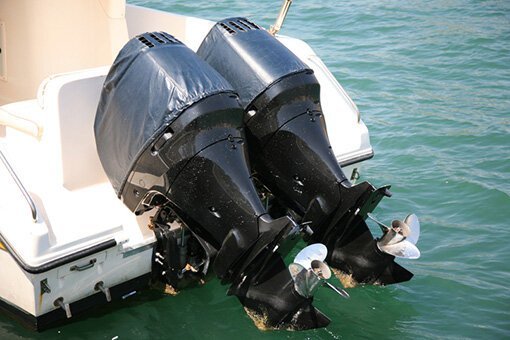
9. Propeller and Prop Shaft Damage
The propeller often reveals how the motor has been treated.
Repeated impacts may damage:
- Propeller blades
- Prop shaft
- Lower unit gears
Warning Signs
Inspect for:
- Bent blades
- Cracks
- Excessive vibration
How to Avoid It
Remove the propeller if possible and inspect the shaft carefully.
Excessive shaft wobble may indicate expensive repairs ahead.
10. Poor Maintenance History
One of the biggest risks when buying a used outboard motor is purchasing an engine with little or no maintenance documentation.
Missing Records Can Mean
- Missed oil changes
- Ignored repairs
- Cooling system neglect
- Fuel system problems
How to Avoid It
Ask for:
- Service receipts
- Maintenance logs
- Dealer records
Engines with documented service histories often represent safer purchases.
IMAGE PLACEMENT #5
Suggested Image: Maintenance records beside a serviced outboard motor.
Best Practices When Buying a Used Outboard Motor
To minimize risk:
- Inspect the engine thoroughly.
- Request maintenance records.
- Perform a compression test.
- Check engine and gear oil.
- Verify serial numbers.
- Run the engine if possible.
- Inspect the lower unit.
- Ask detailed questions about usage history.
These steps can dramatically improve your chances of purchasing a reliable engine.
Outboard Motors for sale is a dedicated supplier of high-performance marine engines, providing customers with reliable outboard motors from some of the most respected brands in the boating industryDiscover powerful and reliable outboard motors from the world’s most trusted marine engine manufacturers like Honda Outboard Motors,W Mercury Outboard Motors, Suzuki Outboard Motors, Yamaha Outboard Motors, We also have Tohatsu Outboards, Torqeedo Outboards, Verado Outboards, we do also supply Electric Outboard Motor, Jet outboard, and Propane outboard. We supply brand new and quality used outboard motors designed for performance, efficiency, and durability on the water.
Final Thoughts
Used outboard motors can provide exceptional value, but only if you know what problems to look for before buying. Corrosion, compression issues, fuel system failures, cooling system problems, and lower unit damage are among the most common concerns buyers encounter.
Fortunately, most of these issues can be identified through careful inspection and basic testing. By taking time to evaluate the engine thoroughly and reviewing its maintenance history, you can avoid costly surprises and invest in an outboard motor that delivers years of dependable performance.
Frequently Asked Questions
What is the most common problem with used outboard motors?
Corrosion is one of the most common issues, especially in engines used extensively in saltwater environments.
How can I tell if a used outboard motor is in good condition?
Check compression, inspect for corrosion, review maintenance records, examine oil condition, and run the engine whenever possible.
Is it safe to buy a used outboard motor online?
Yes, provided you verify ownership, inspect the motor thoroughly, and buy from reputable sellers.
What engine hours are considered too high?
There is no exact number. Maintenance history and overall condition are often more important than total hours.
Should I get a compression test before buying?
Absolutely. A compression test is one of the best ways to evaluate internal engine health.
What does milky oil mean in an outboard motor?
Milky oil usually indicates water contamination and can signal serious internal problems.
How long do outboard motors typically last?
With proper maintenance, many modern outboard motors can operate reliably for 1,500 to 3,000 hours or more.
Are older Yamaha and Mercury outboard motors reliable?
Yes. Well-maintained Yamaha and Mercury engines are widely known for their durability and long service life.