

How to Store an Outboard Motor Properly: The Complete Guide for Long-Term Protection
An outboard motor is one of the most valuable components of any boat. Whether you own a Yamaha, Mercury, Honda, Suzuki, or Tohatsu engine, proper storage is essential if you want to maximize reliability, prevent costly repairs, and extend the lifespan of your investment.
Unfortunately, many boat owners spend thousands of dollars on high-quality outboard motors but overlook one of the most important aspects of maintenance: proper storage.
Improper storage can lead to:
- Corrosion
- Fuel system problems
- Dead batteries
- Internal engine damage
- Cooling system issues
- Expensive repairs
The good news is that storing an outboard motor correctly is not complicated. With a few simple steps, you can protect your engine during the off-season and ensure it starts easily when you’re ready to get back on the water. google
In this complete guide, you’ll learn how to store an outboard motor properly, whether you’re storing it for a few weeks, several months, or an entire winter season.
Why Proper Outboard Motor Storage Matters | long-term outboard motor storage
Many people assume that an engine sitting idle isn’t experiencing wear.
In reality, long periods of inactivity can cause significant damage if the motor isn’t prepared correctly.
Common storage-related problems include:
- Fuel deterioration
- Corrosion buildup
- Moisture damage
- Battery failure
- Seized components
A properly stored outboard motor can remain in excellent condition for months without use.
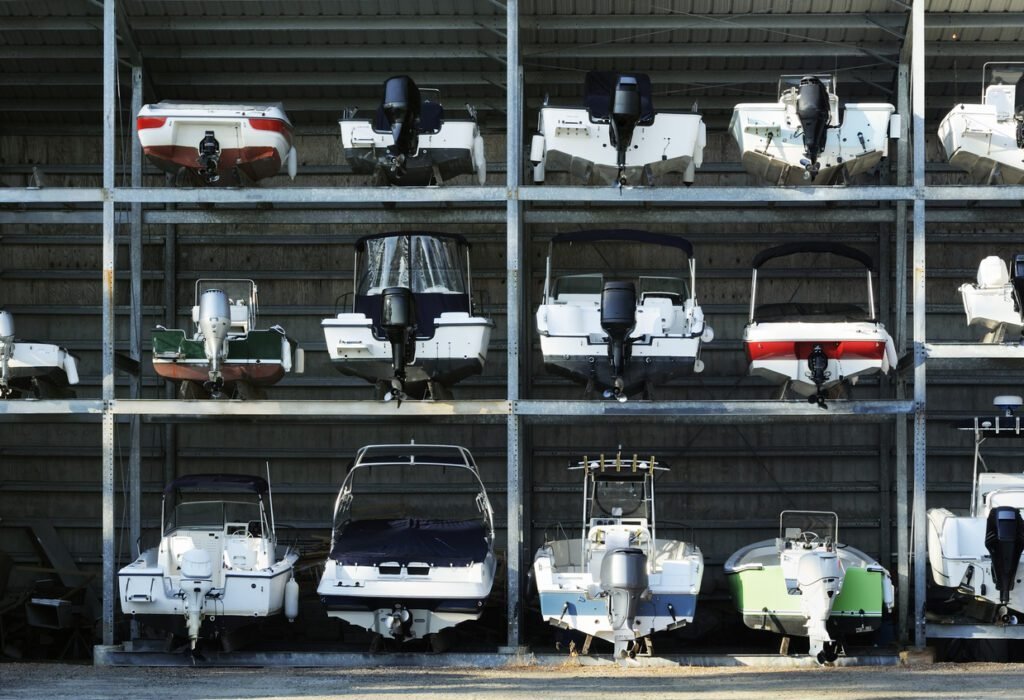
Suggested Image: Clean outboard motor stored safely in a covered boat storage facility.
How Long Can an Outboard Motor Sit Unused?
A modern outboard motor can sit unused for several months without issues if properly prepared.
However, problems may develop when:
- Fuel becomes stale
- Moisture enters the system
- Corrosion develops
- Internal components lose lubrication
The longer the storage period, the more important preparation becomes.
Step 1: Flush the Engine Thoroughly
One of the most important storage tasks is flushing the cooling system.
This is especially important after operating in:
- Saltwater
- Brackish water
- Dirty water
Flushing removes:
- Salt deposits
- Sediment
- Debris
Failure to flush the engine can lead to corrosion and cooling system blockages.
IMAGE PLACEMENT #2

Step 2: Stabilize the Fuel
Fuel degradation is one of the most common storage-related issues.
Modern gasoline can begin deteriorating within a few months.
As fuel ages, it may cause:
- Hard starting
- Injector problems
- Carburetor deposits
- Reduced performance
Adding a quality fuel stabilizer helps preserve fuel quality during storage.
Why Fuel Stabilizer Matters
Fuel stabilizer helps:
- Prevent oxidation
- Reduce varnish buildup
- Protect fuel system components
Always follow the manufacturer’s recommendations for dosage.
Step 3: Run the Engine After Adding Stabilizer
Simply adding stabilizer to the tank isn’t enough.
Run the engine long enough to allow treated fuel to circulate through:
- Fuel lines
- Injectors
- Carburetors
- Fuel pumps
This ensures the entire fuel system receives protection.
Step 4: Change the Engine Oil
For four-stroke outboard motors, changing the oil before storage is highly recommended.
Used oil may contain:
- Moisture
- Acids
- Combustion byproducts
These contaminants can damage internal components over time.
Fresh oil provides better protection during storage.
Don’t Forget the Oil Filter
If your engine uses an oil filter, replace it at the same time.
Clean oil and a new filter provide maximum protection.
Step 5: Change Lower Unit Gear Oil
The lower unit is one of the most important parts of an outboard motor.
Inspect and replace gear oil before storage.
Benefits include:
- Identifying leaks
- Removing contaminants
- Protecting gears and bearings
Milky gear oil may indicate water intrusion that should be addressed before storage.
Suggested Image: Marine technician changing lower unit gear oil on an outboard motor.
Step 6: Inspect and Grease Moving Parts
Lubrication is critical during storage.
Apply marine grease to:
- Steering components
- Tilt mechanisms
- Pivot points
- Propeller shaft
Lubricated parts resist corrosion and remain easier to service later.
Step 7: Remove and Inspect the Propeller
Many boat owners skip this step.
Removing the propeller allows you to:
- Inspect for fishing line
- Check for damage
- Grease the propeller shaft
Fishing line wrapped around the shaft can damage seals and lead to expensive repairs.
Step 8: Protect Against Corrosion
Corrosion is one of the biggest threats to marine engines.
Apply corrosion protection products to:
- External metal surfaces
- Electrical connections
- Fasteners
This is especially important for engines used in saltwater.
Step 9: Disconnect and Maintain the Battery
If your boat will sit for an extended period:
- Disconnect the battery
- Clean terminals
- Charge periodically
Many boat owners use battery maintainers to keep batteries healthy throughout storage.
A neglected battery may require replacement by the next boating season.
Step 10: Store the Motor in the Correct Position
Proper positioning is critical.
Outboard motors should generally be stored in a vertical position whenever possible.
Why?
Because vertical storage allows:
- Complete drainage
- Reduced moisture accumulation
- Better cooling system protection
Improper positioning may trap water and increase the risk of damage.
Indoor vs Outdoor Storage
Both options can work, but indoor storage offers advantages.
Indoor Storage Benefits
- Protection from weather
- Reduced UV exposure
- Better security
- Lower corrosion risk
Outdoor Storage Considerations
If outdoor storage is necessary:
- Use a quality cover
- Ensure proper ventilation
- Protect from direct sunlight
Moisture control remains important.
Should You Cover Your Outboard Motor?
Yes.
A quality cover helps protect against:
- Dust
- UV damage
- Dirt
- Moisture
However, avoid completely sealing the motor in a way that traps moisture.
Breathable covers are often the best choice.
Outboard Motors for sale is a dedicated supplier of high-performance marine engines, providing customers with reliable outboard motors from some of the most respected brands in the boating industryDiscover powerful and reliable outboard motors from the world’s most trusted marine engine manufacturers like Honda Outboard Motors,W Mercury Outboard Motors, Suzuki Outboard Motors, Yamaha Outboard Motors, We also have Tohatsu Outboards, Torqeedo Outboards, Verado Outboards, we do also supply Electric Outboard Motor, Jet outboard, and Propane outboard. We supply brand new and quality used outboard motors designed for performance, efficiency, and durability on the water.
Common Storage Mistakes to Avoid
Many storage-related problems result from simple mistakes.
Avoid the following:
Skipping Fuel Stabilizer
Can lead to fuel system issues.
Forgetting to Flush the Engine
Increases corrosion risk.
Ignoring Battery Maintenance
May result in a dead battery.
Storing Horizontally Incorrectly
Can cause fluid migration and damage.
Neglecting Corrosion Protection
Particularly risky in coastal environments.
Winter Storage vs Short-Term Storage
The amount of preparation depends on storage duration.
Short-Term Storage
A few weeks may only require:
- Basic cleaning
- Battery maintenance
Long-Term Storage
Several months typically requires:
- Fuel stabilization
- Oil changes
- Corrosion protection
- Thorough inspections
The longer the storage period, the more important preventative maintenance becomes.
Final Thoughts
Proper outboard motor storage is one of the easiest ways to protect your investment and extend engine lifespan.
Whether you own a Yamaha, Mercury, Honda, Suzuki, or Tohatsu outboard motor, taking the time to flush the engine, stabilize fuel, change fluids, lubricate moving parts, and protect against corrosion can prevent costly repairs and improve reliability.
A few hours spent preparing your engine for storage can save hundreds—or even thousands—of dollars in future maintenance costs.
Treat your outboard motor well during the off-season, and it will reward you with dependable performance when boating season returns.
Frequently Asked Questions
What is the best way to store an outboard motor?
The best approach includes flushing the engine, stabilizing fuel, changing fluids, lubricating components, and storing the motor vertically.
Should I store my outboard motor upright?
Yes. Vertical storage helps ensure proper drainage and reduces the risk of moisture-related damage.
Do I need to flush my outboard before storage?
Absolutely. Flushing removes salt, debris, and contaminants that can cause corrosion.
Can I leave fuel in my outboard during storage?
Yes, but fuel should be treated with a quality fuel stabilizer.
How often should I charge the battery during storage?
Periodically charging or using a battery maintainer helps preserve battery life.
Should I remove the propeller before storage?
Yes. Removing the propeller allows inspection and lubrication of the propeller shaft.
Is indoor storage better than outdoor storage?
Generally yes, because indoor storage offers better protection from weather and UV exposure.
How long can an outboard motor sit unused?
A properly prepared outboard can sit unused for several months or longer without issues.